Spain
Barcelona
Barcelona and Split have little in common beyond the sea, which is exactly what makes it interesting to read one against the other. The city is ten times the size and it has a metro, and everything worth seeing in it has to be booked in advance.
What travels is the range of things a city offers, and how well its attractions are organised. That is what matters to a guest.
What it is known for
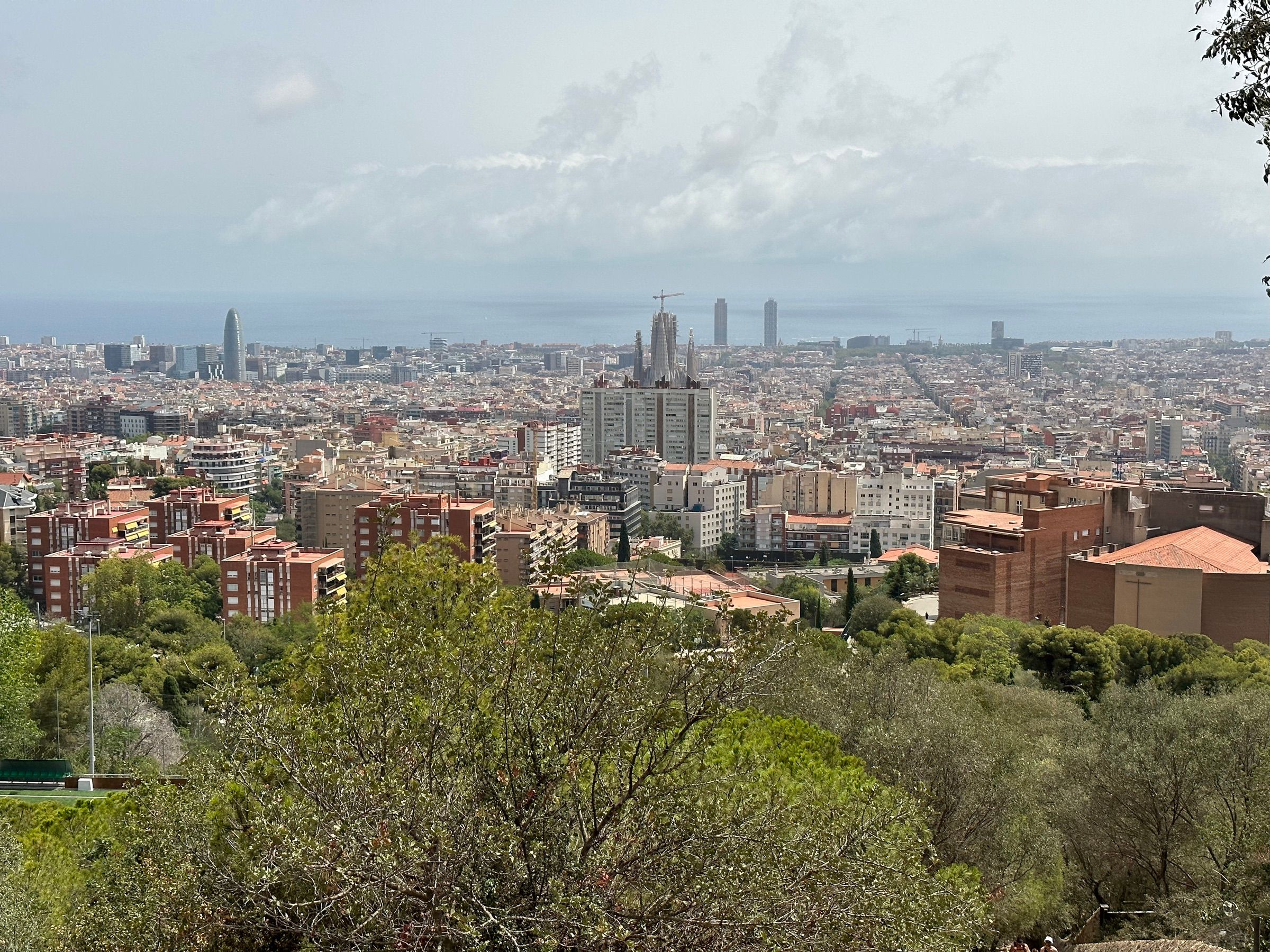
The Sagrada Família is what Barcelona is remembered for. It has been going up since 1882 and is still unfinished, so a visit is to a building site that never stops.
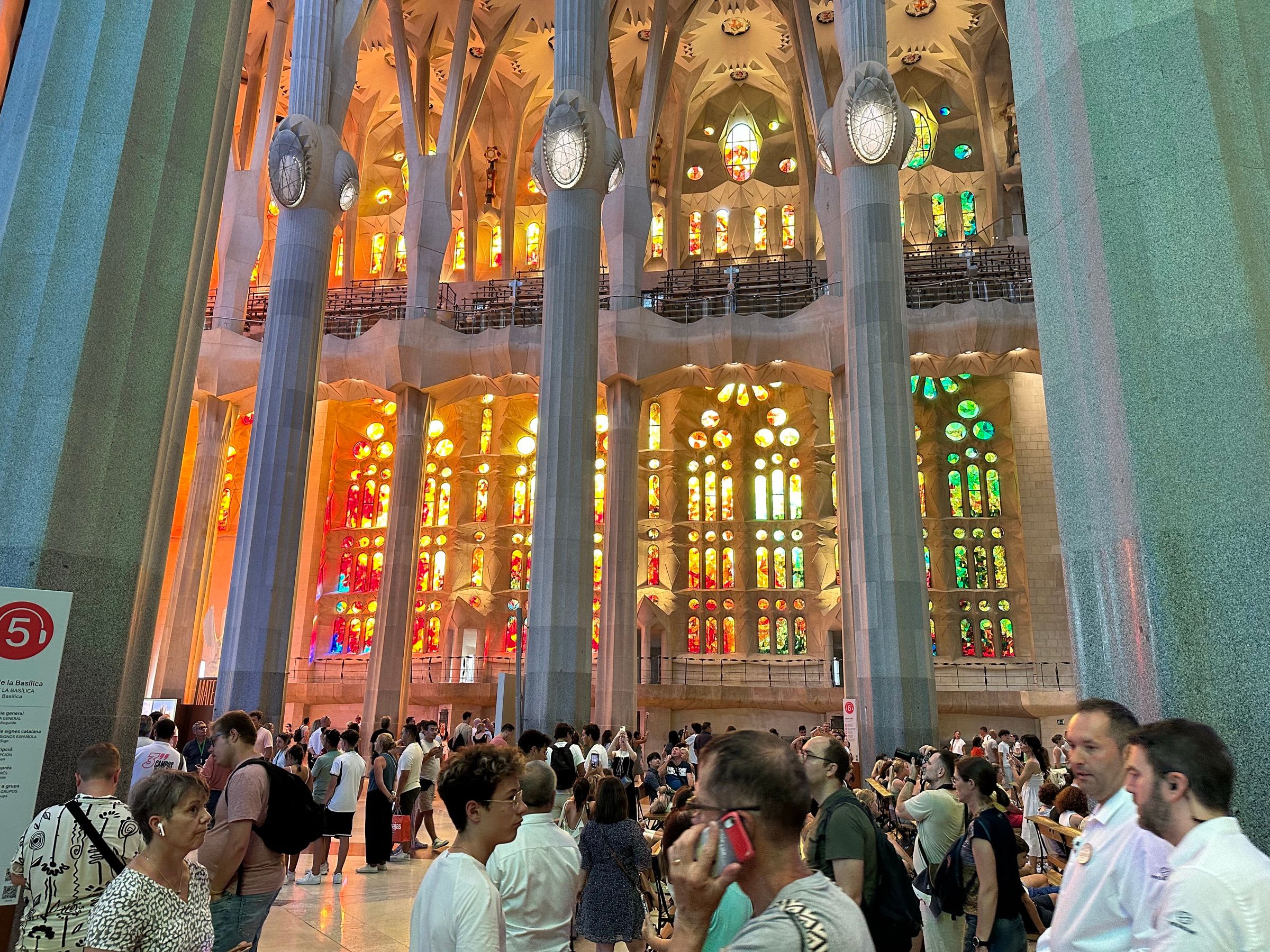
It is better inside than out, and that is hard to see in a photograph. The light through the windows changes colour across the day: blues and greens on the eastern side in the morning, oranges and reds on the western side in the afternoon.
Tickets are bought in advance, often weeks ahead. There is no queue to join on the day, so it is the one thing here that leaves no room for improvising.
The ticket is for an exact time slot, and they mean it. We turned up a little late and were barely let in.
Views
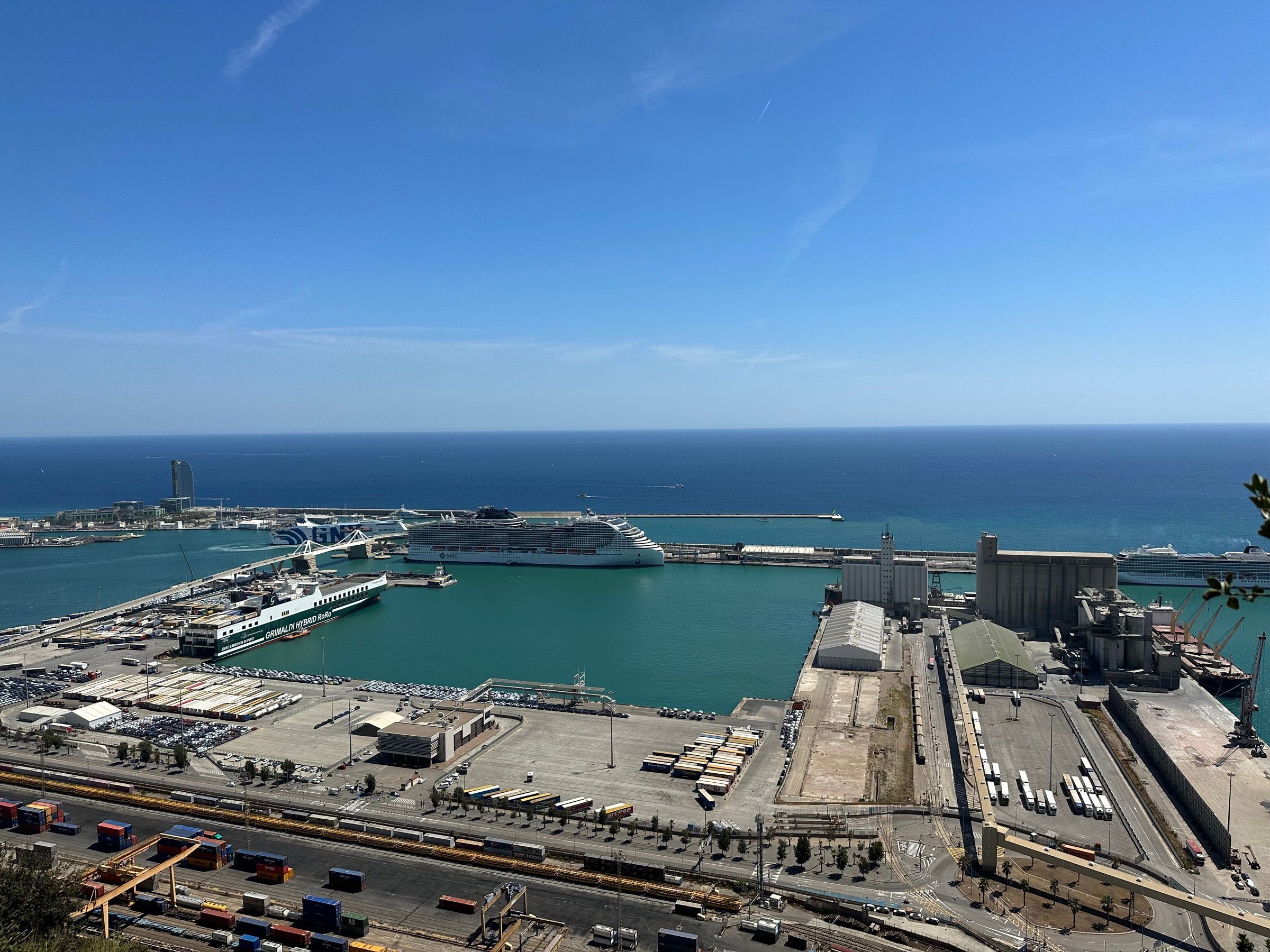
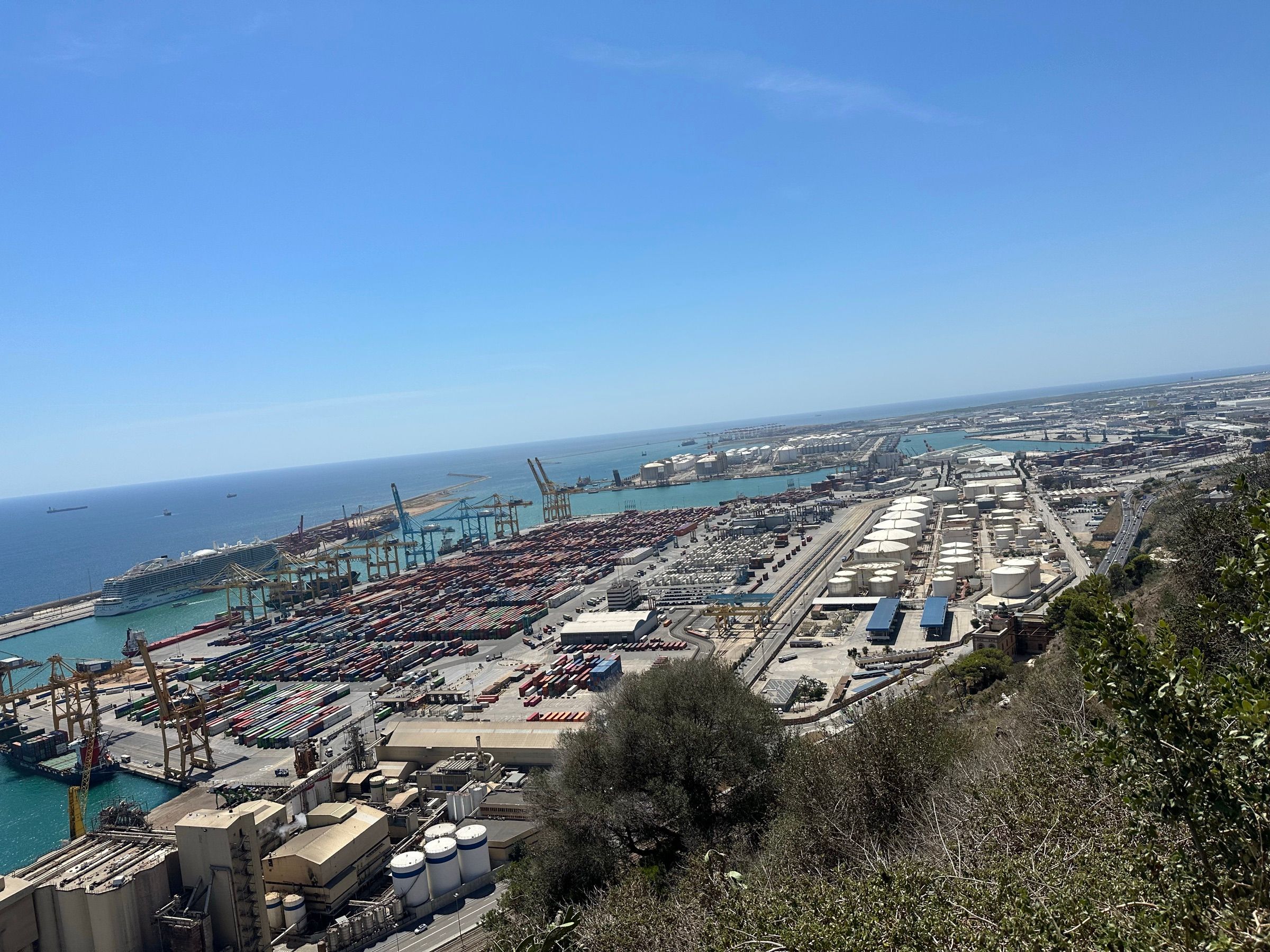
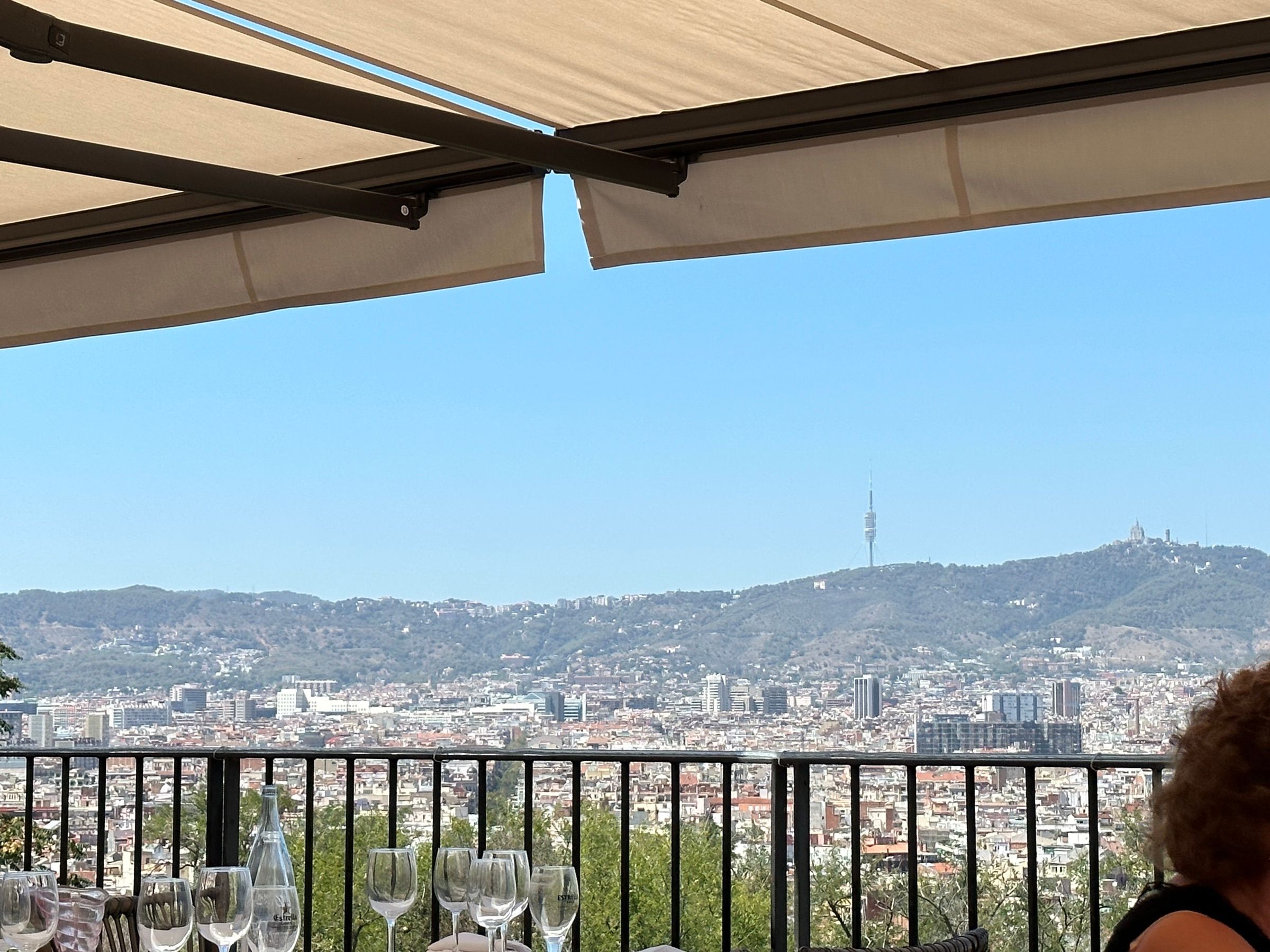
Montjuïc is the hill above the port and the best place to see how big Barcelona actually is. You get up by cable car or funicular, or on foot if you are up for it.
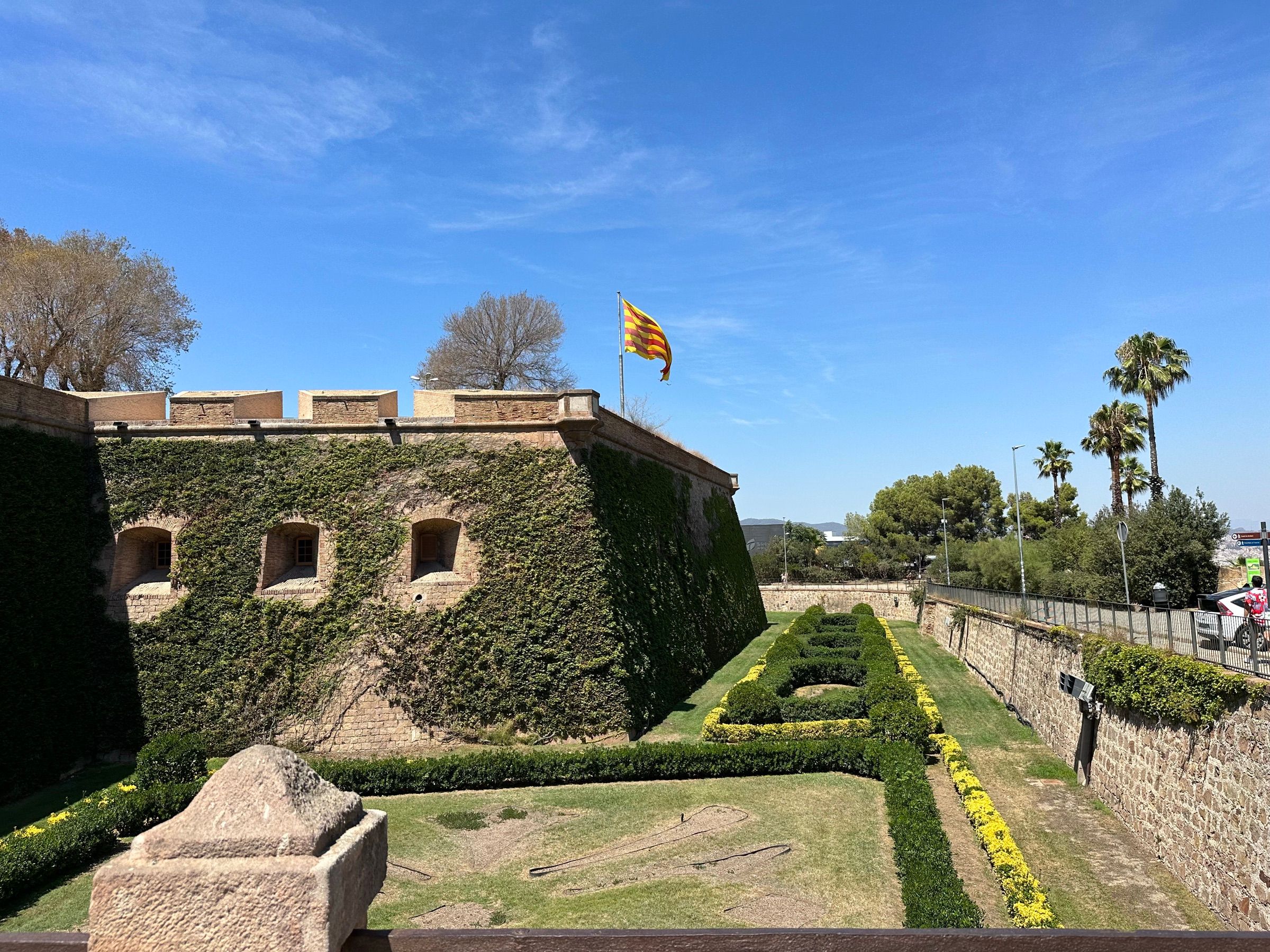
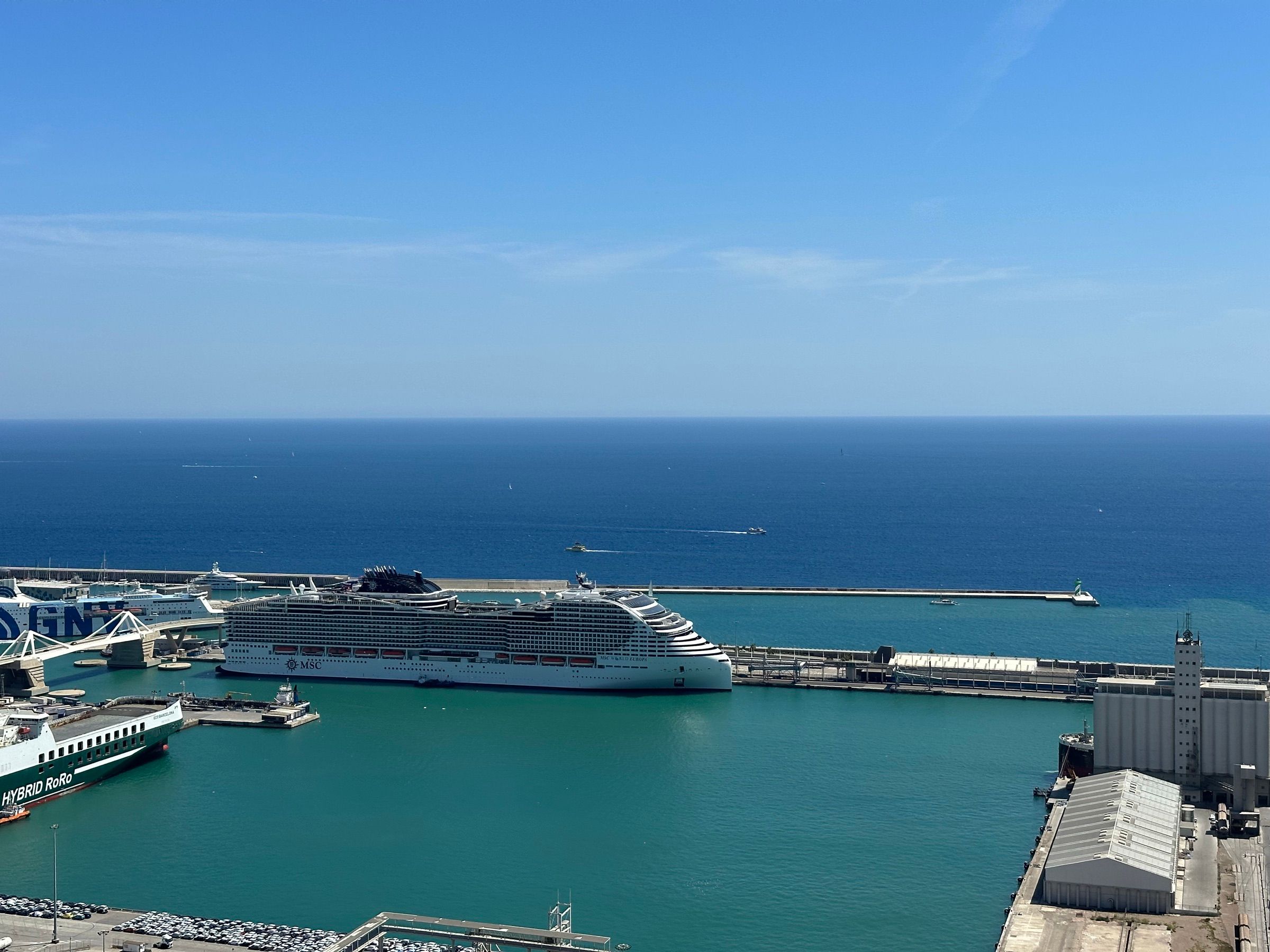
From the castle at the top the whole port is visible at once. Cruise ships and the marina on one side, the container terminal on the other, and the city running back behind it as far as you can see.
It is worth staying until late afternoon. The light takes on a different colour, and so does the port, and the city behind it is lit up.
Green space
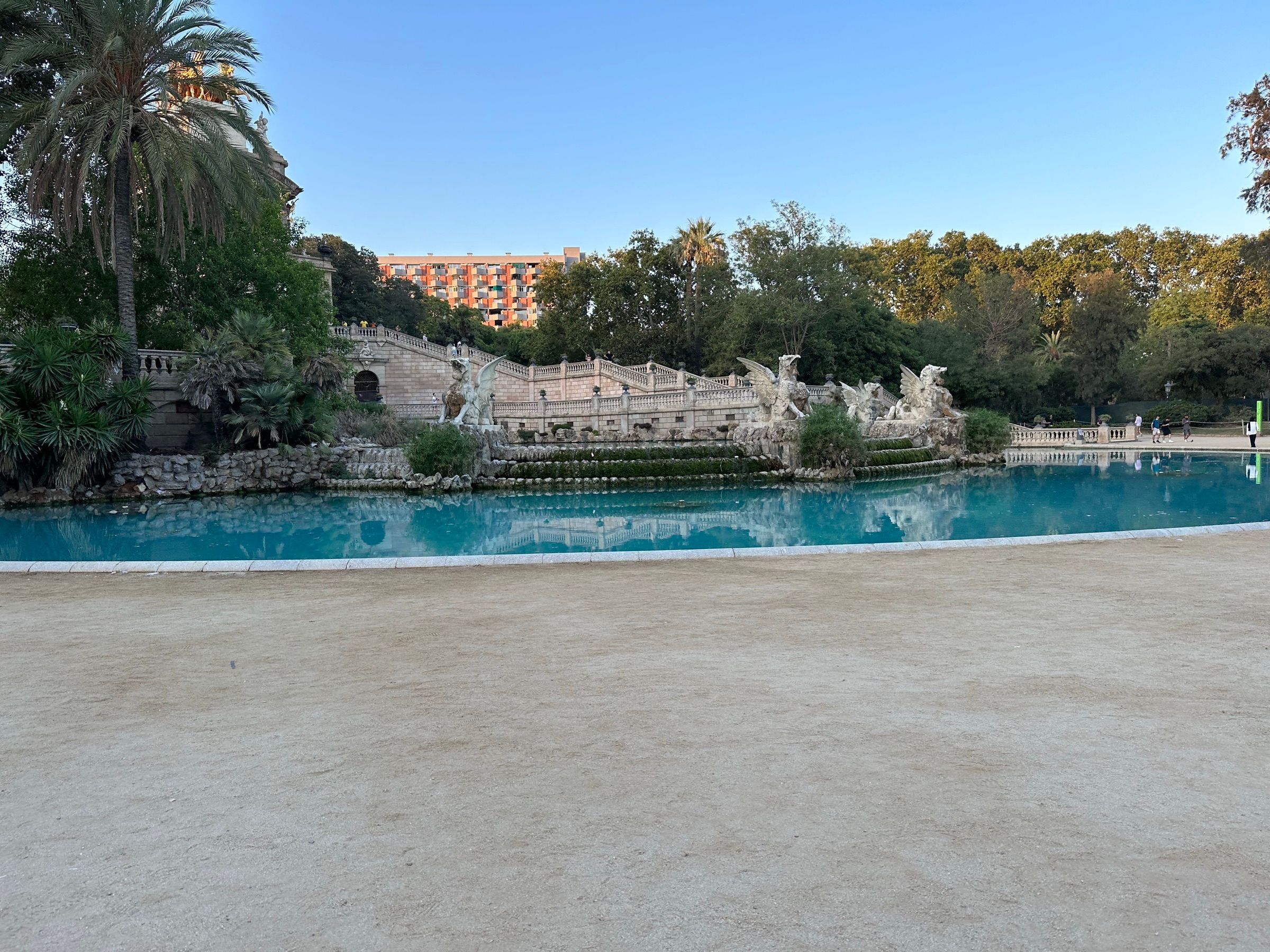
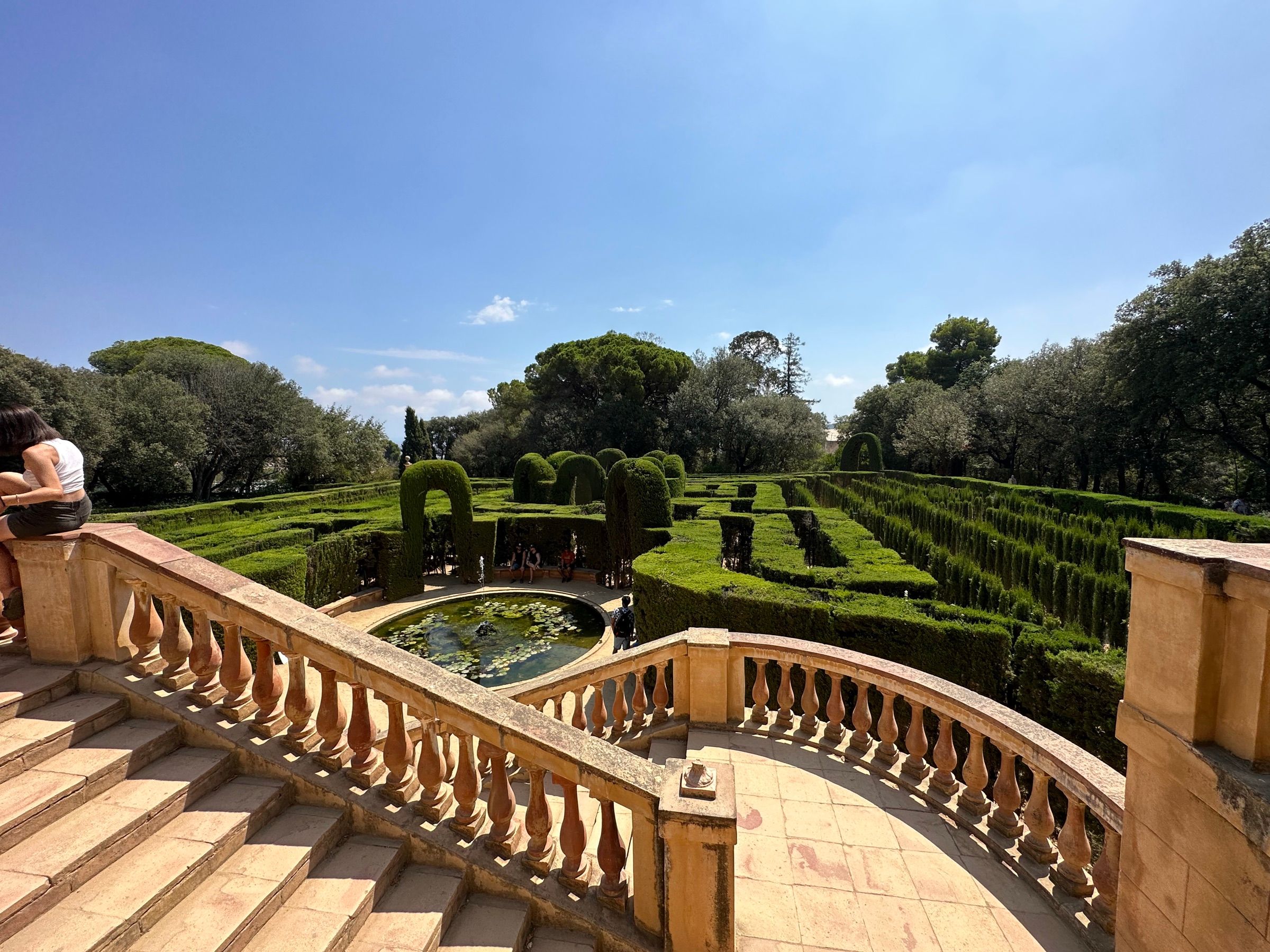
Barcelona is known for its parks. There are a great many, and each is lovely in its own way.
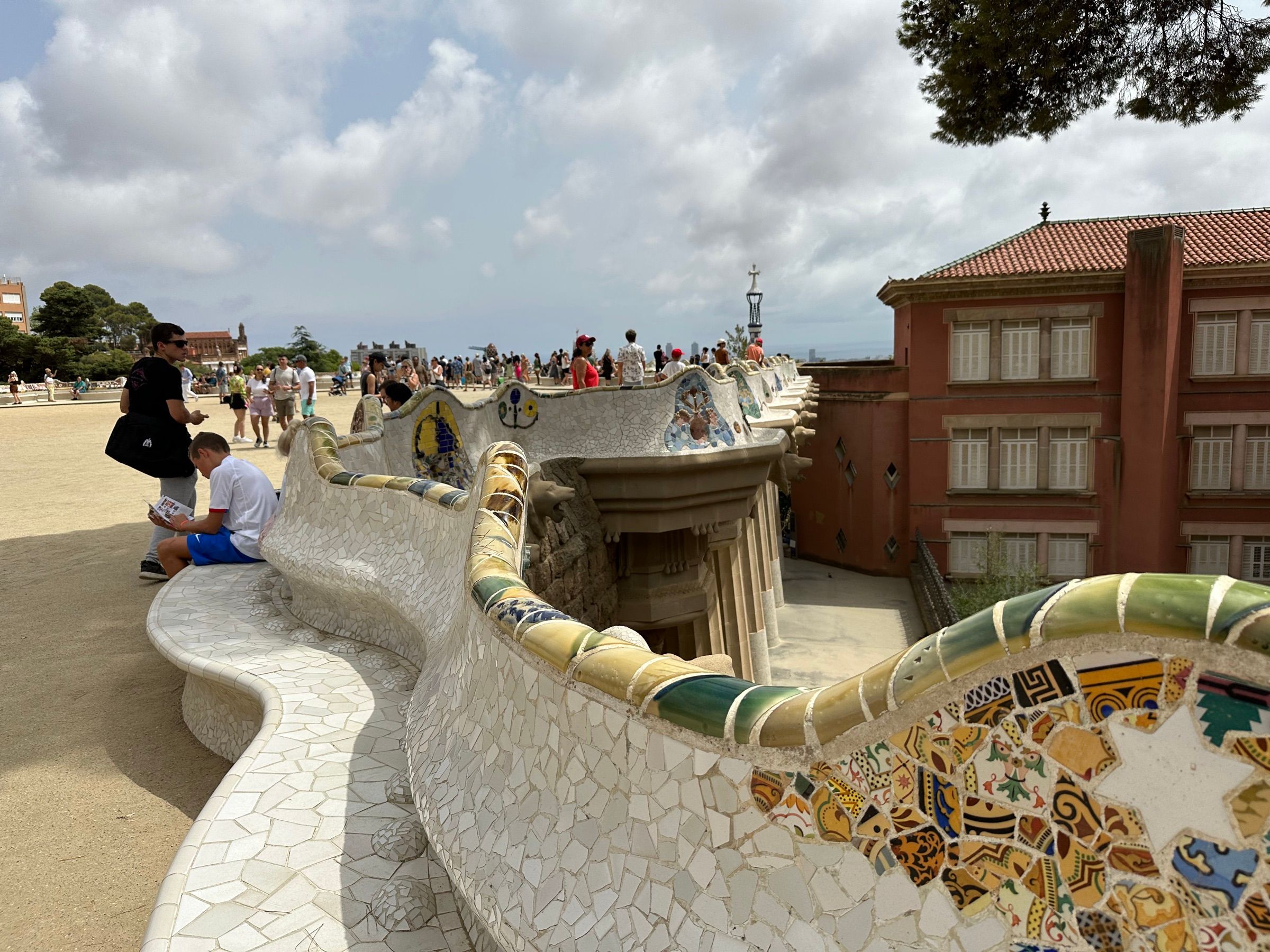
Park Güell is the one not to miss: several beautiful places to take a photograph, and a view over parts of the city. It is part of Gaudí’s work and on the UNESCO World Heritage list. Do not miss the hall of tiled columns, or the famous staircase.
Beaches
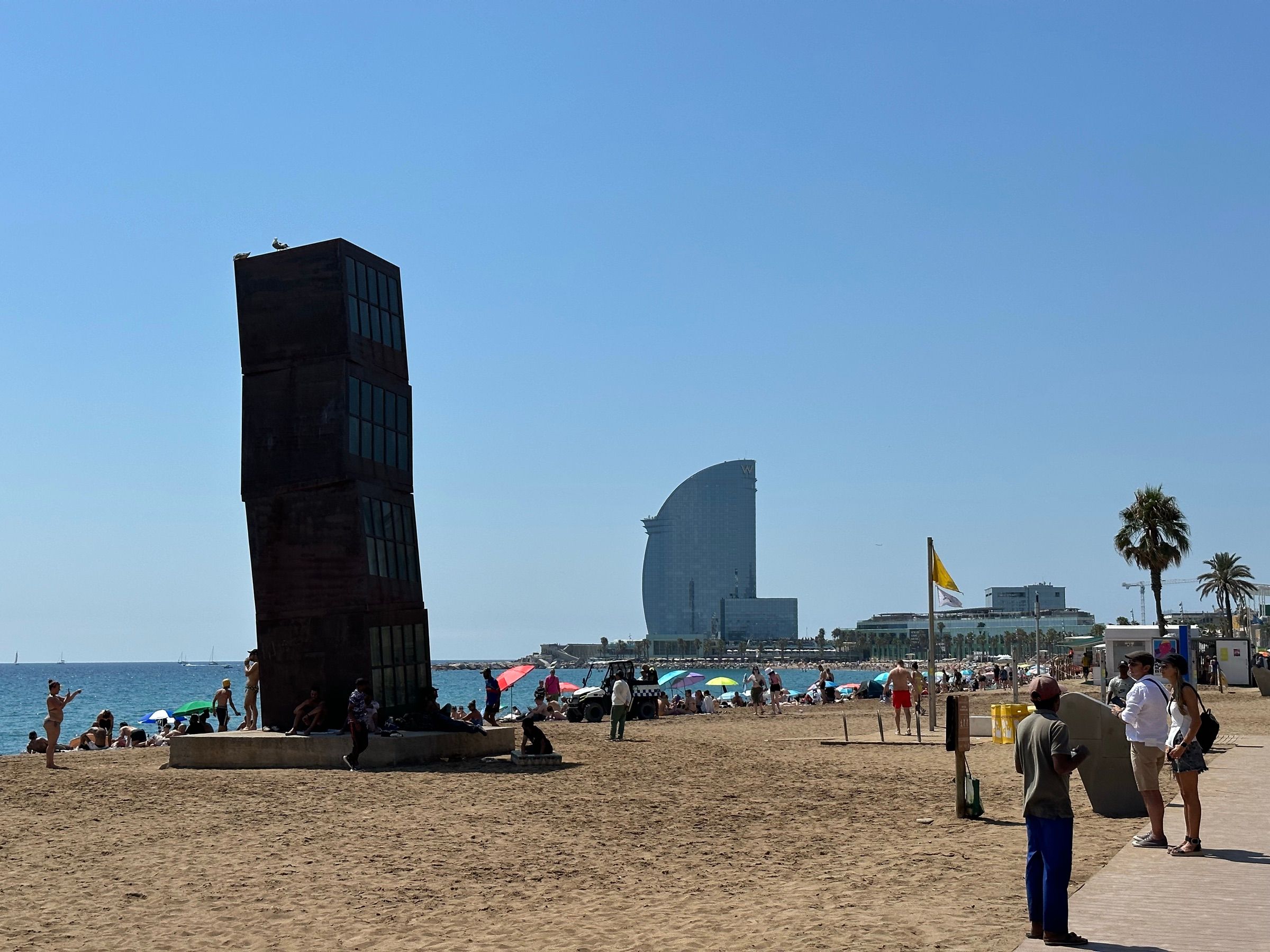
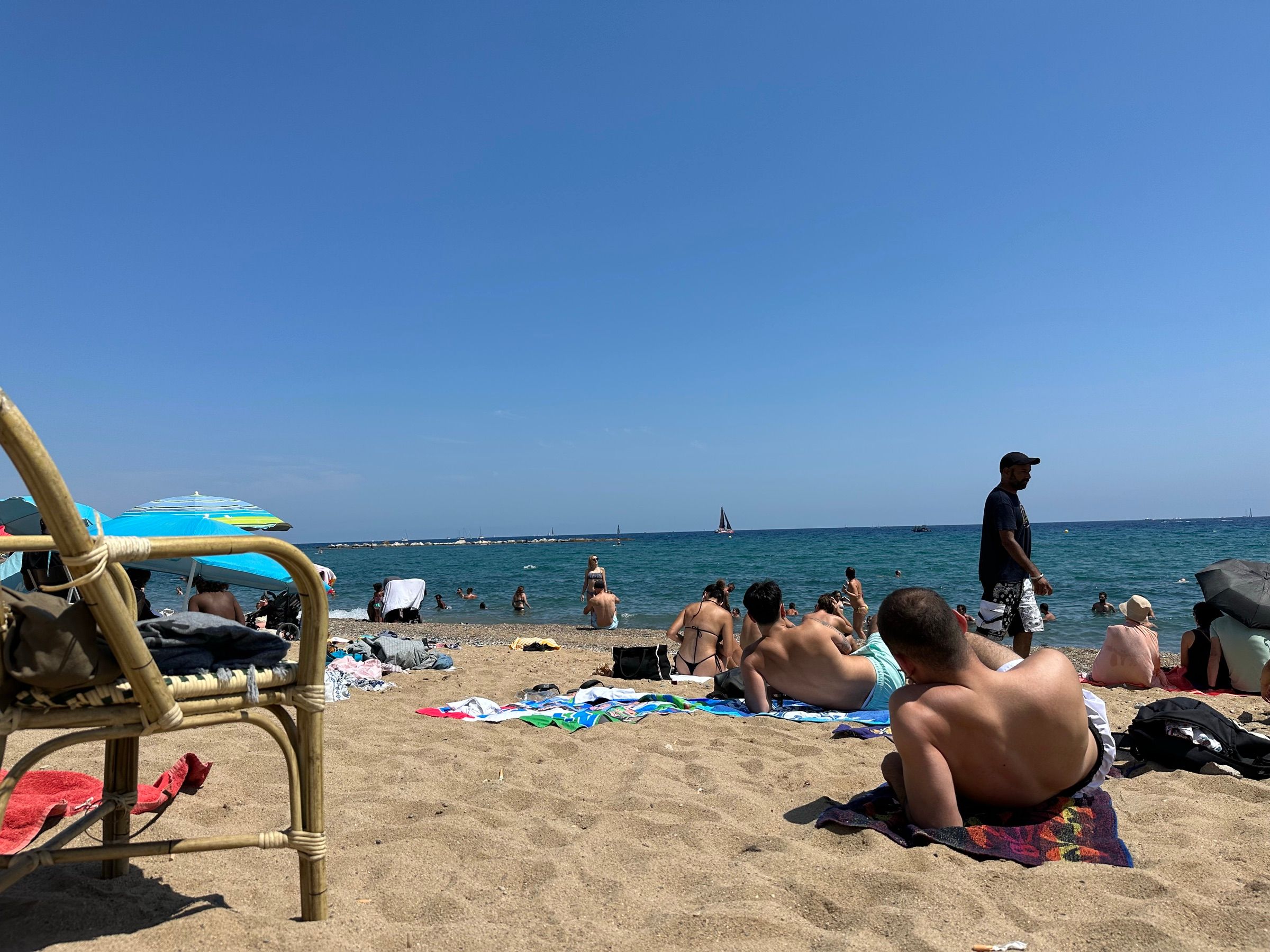
Barceloneta is the most popular beach in Barcelona. Large and sandy, and you can spend the whole day on it.
There are plenty of restaurants and cafés nearby, so food or a drink is never more than a moment away. Street sellers pass with both, if you would rather not get up at all.
The view from the beach is lovely, and through the summer the beach is packed. It is big enough that there is still room for everyone.
Eating
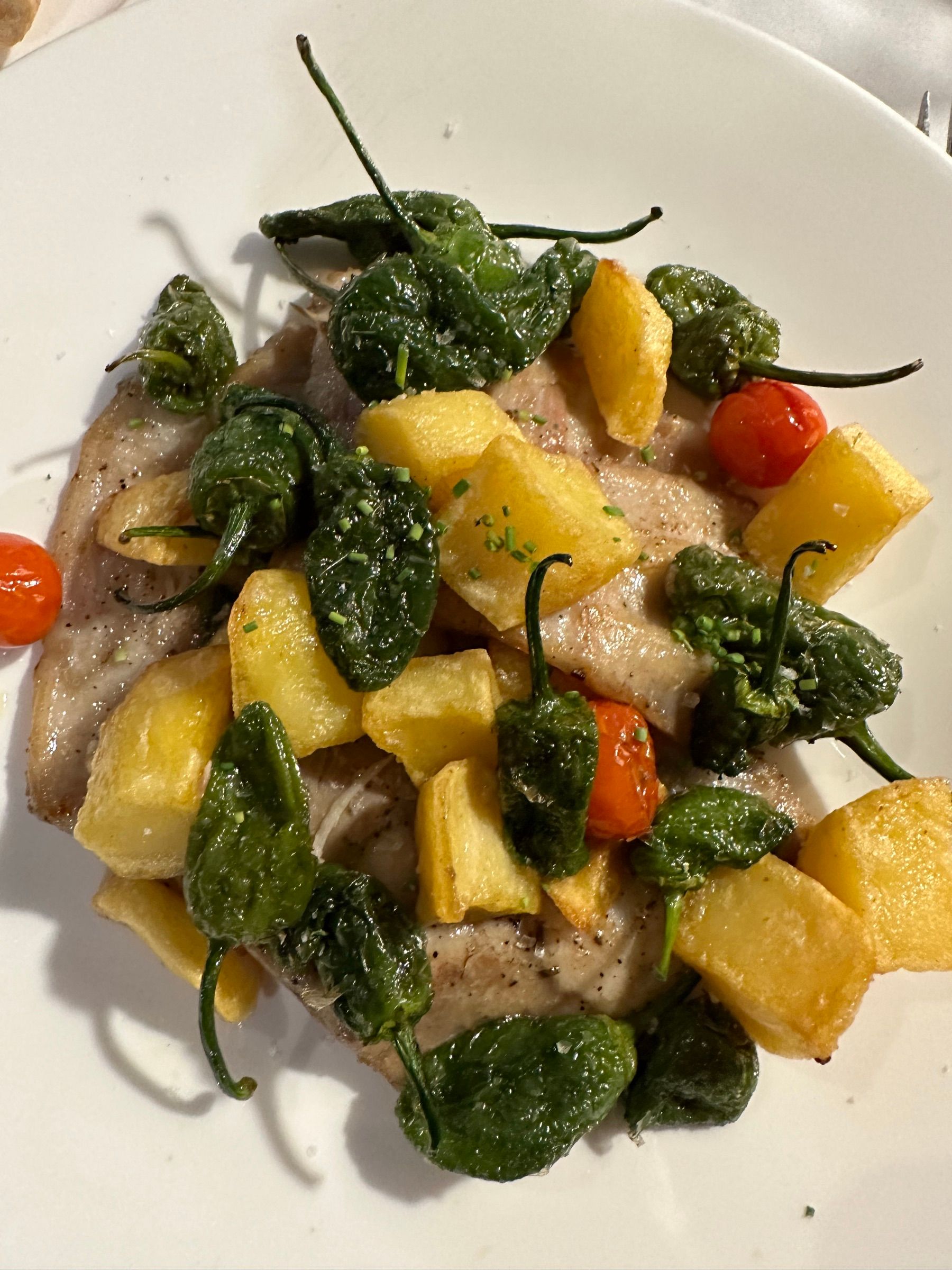
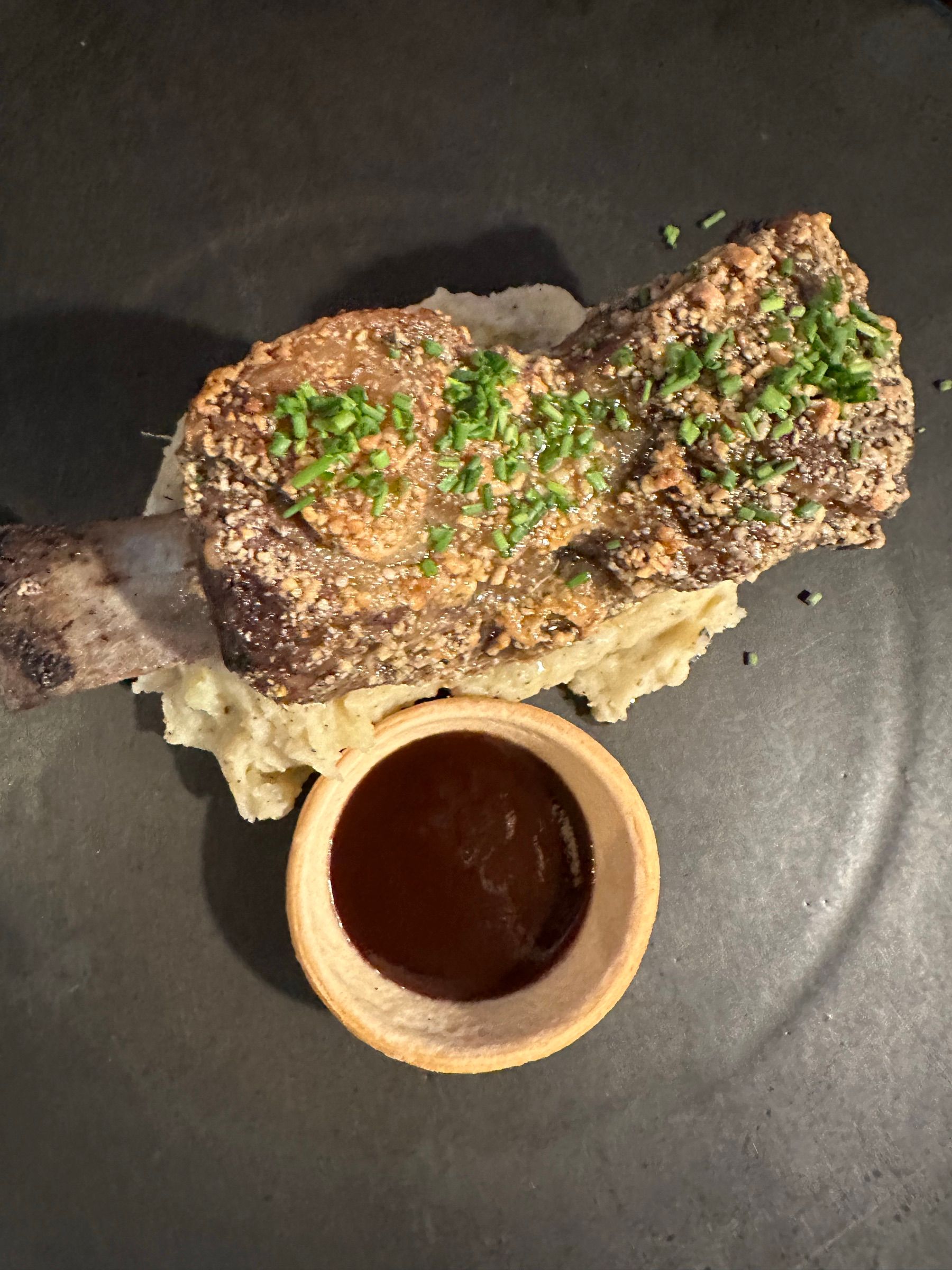
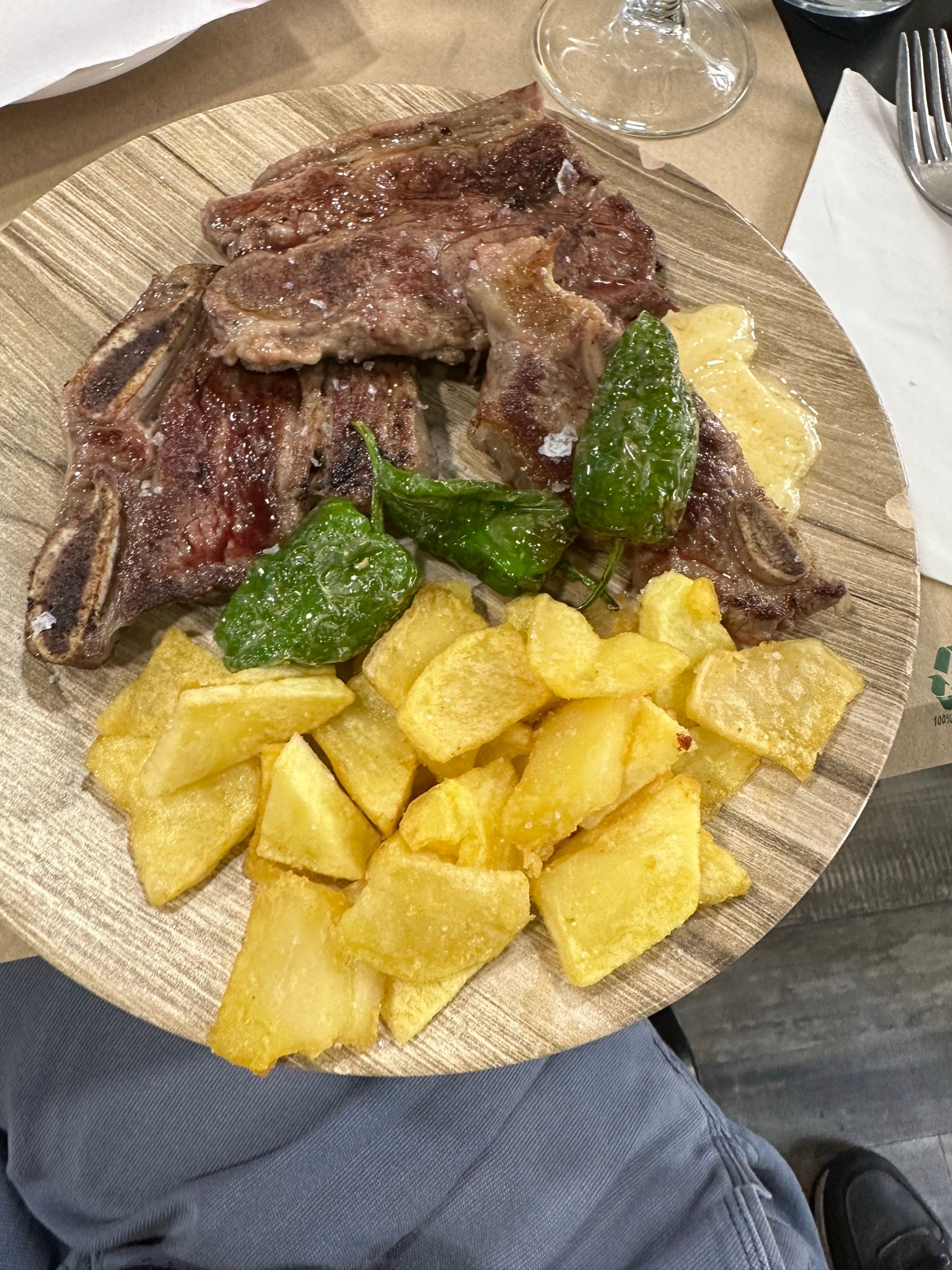
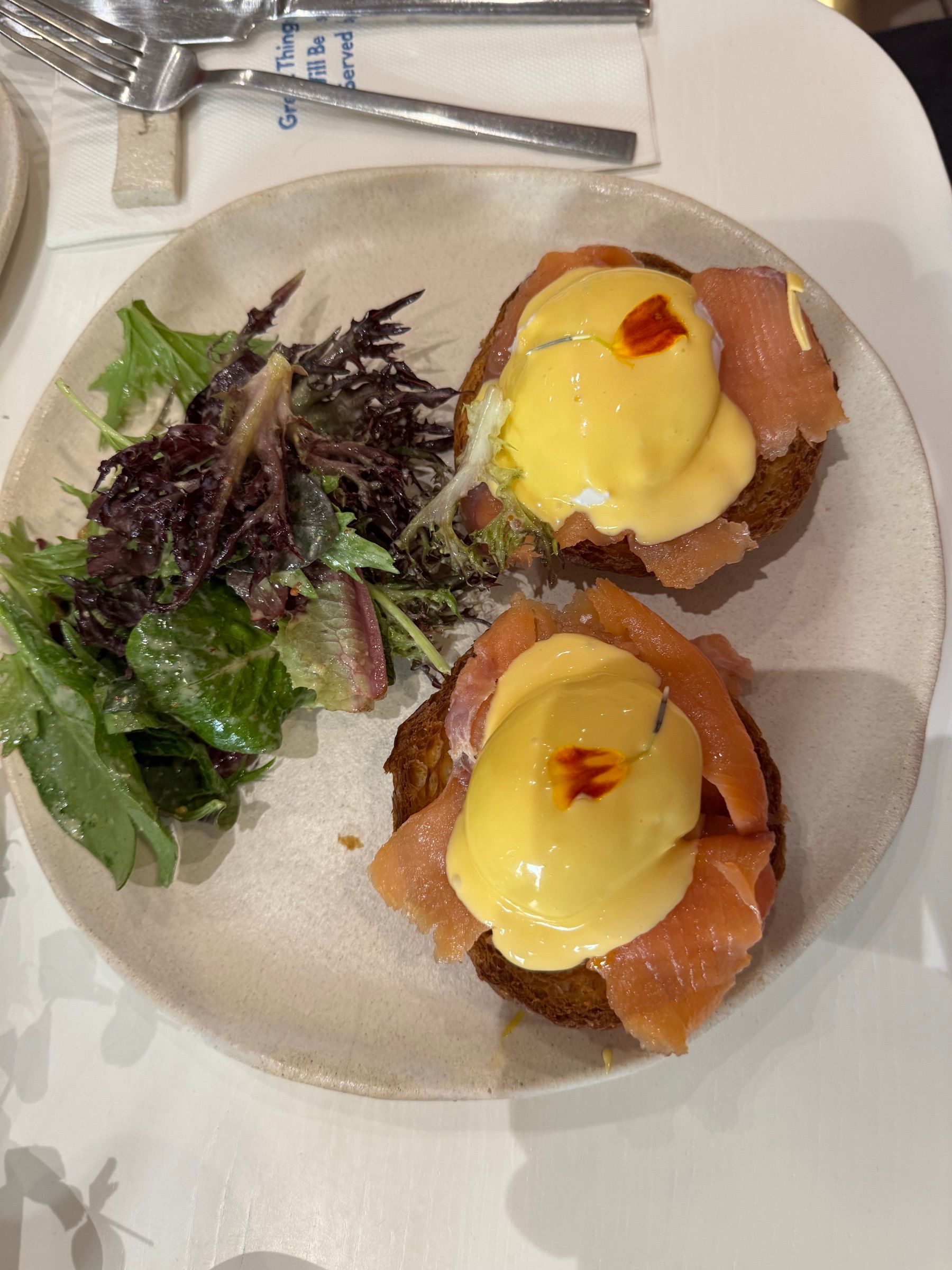
The mealtimes take adjusting to first. Lunch is around two, dinner rarely before nine, and the kitchens run late into the night. Turn up to eat at seven and you will eat in peace, with the place to yourself.
Tapas is a way of serving. Several small things come to the table instead of one plate each, so you can try more than one.
La Boqueria is the famous market and therefore the priciest. We would sooner point you at Santa Caterina or Sant Antoni, which are a great deal quieter.
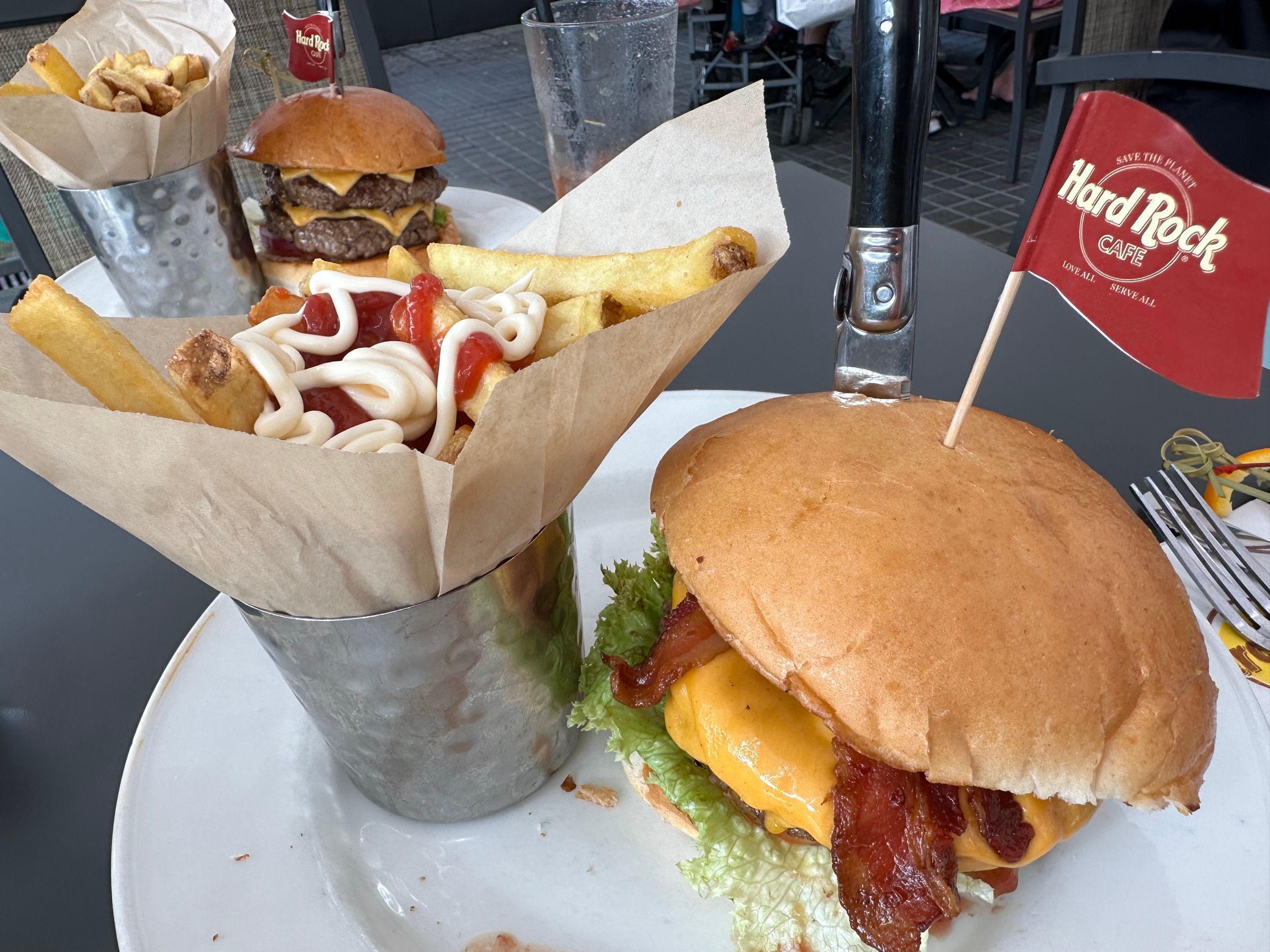
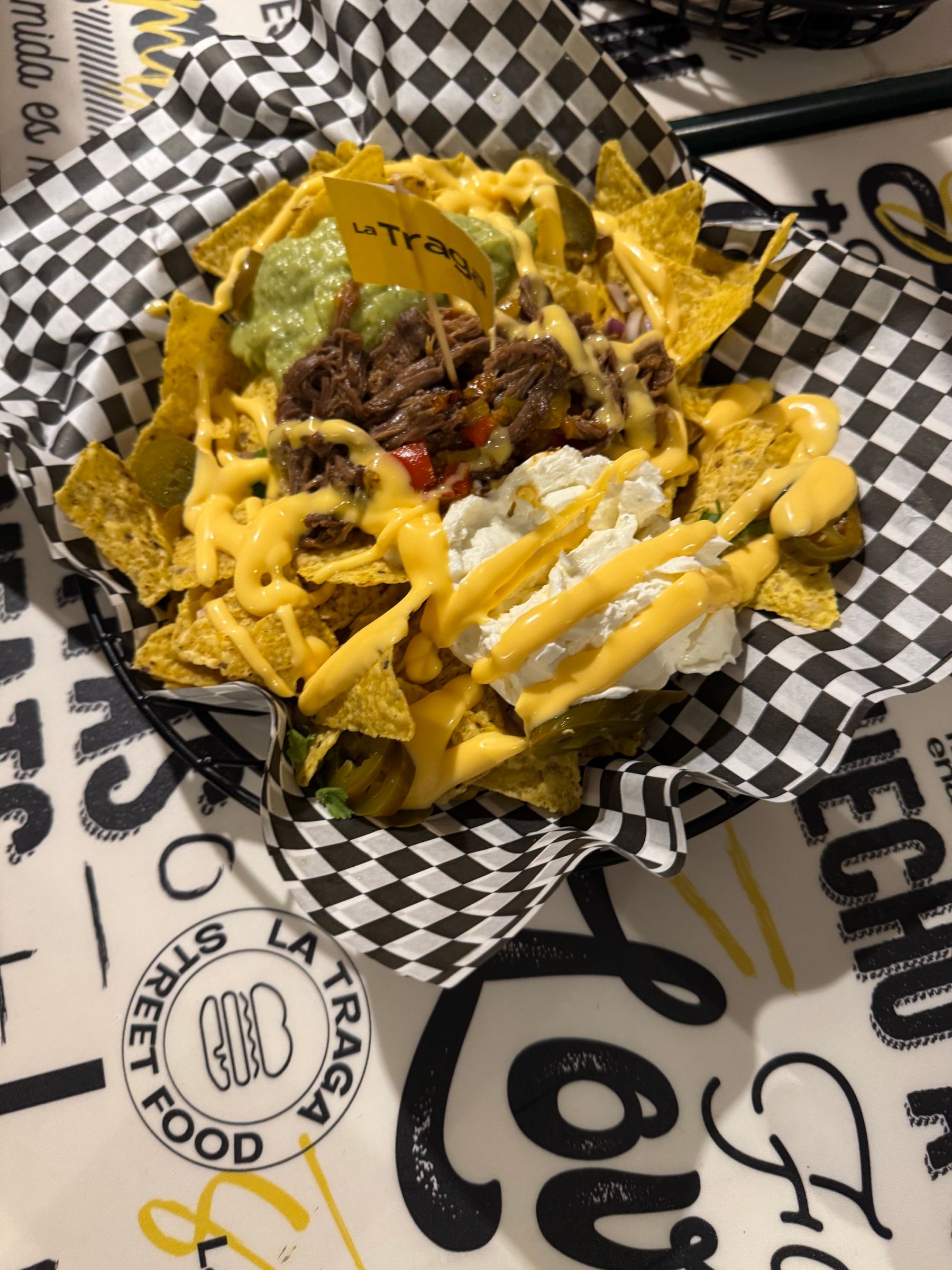
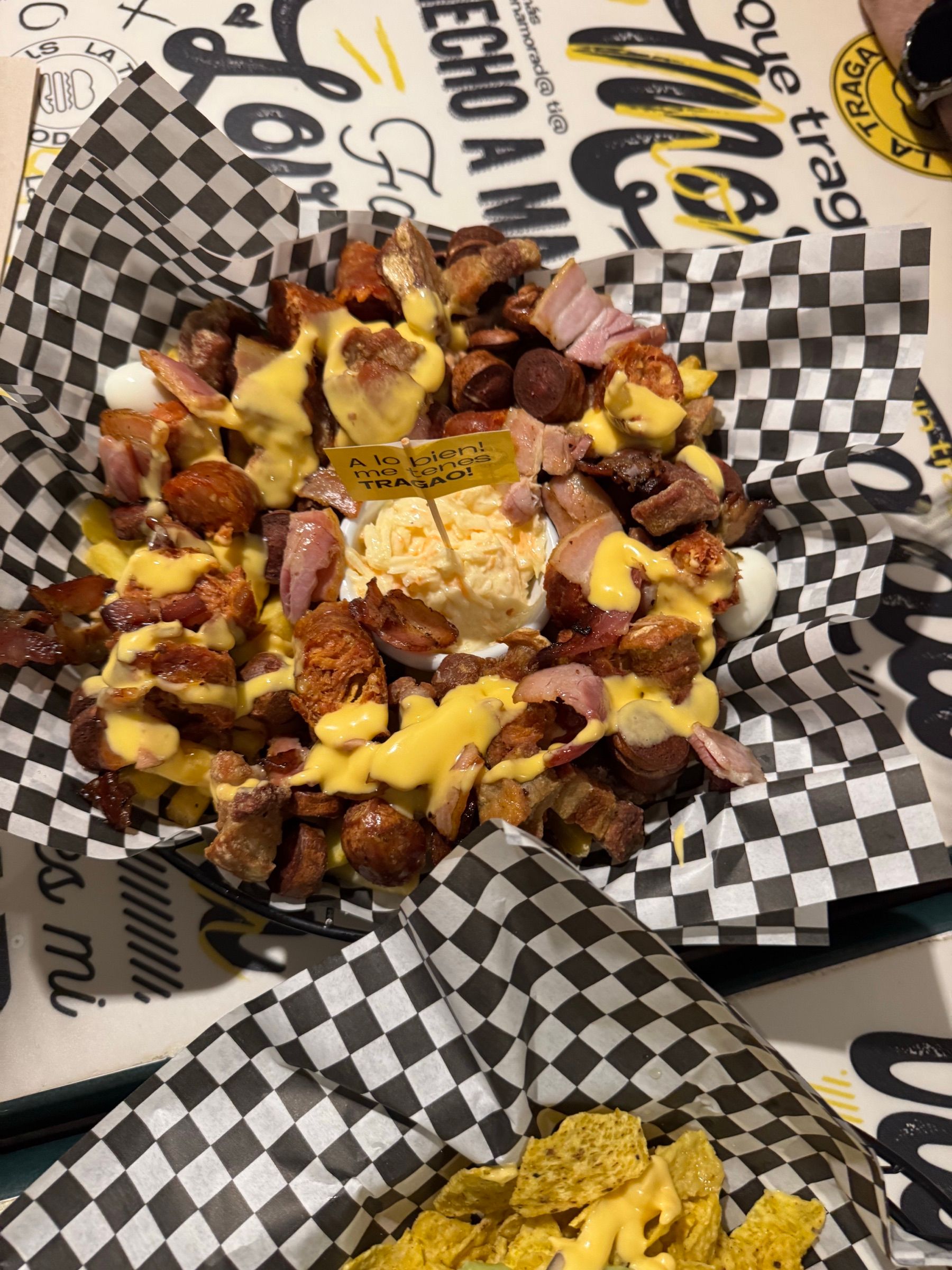
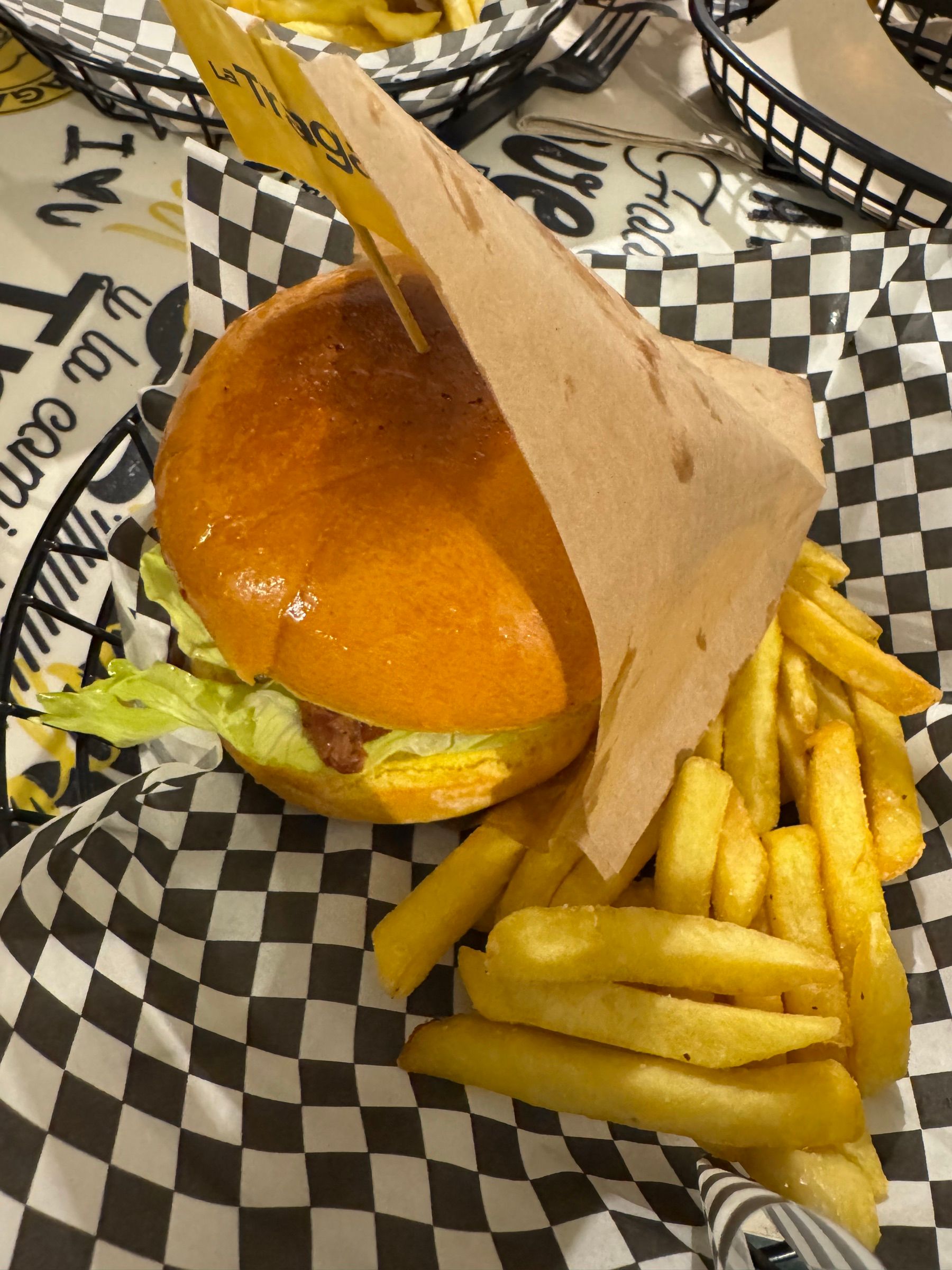
Barcelona also has everything else. The street food is everywhere and it is good, and there is plenty that has nothing to do with Catalonia as in most big cities.
The evening
The streets fill after nine. Neighbourhoods like Sant Antoni come alive towards evening.
The terraces work late and are full of people. There is somewhere to sit at any hour.
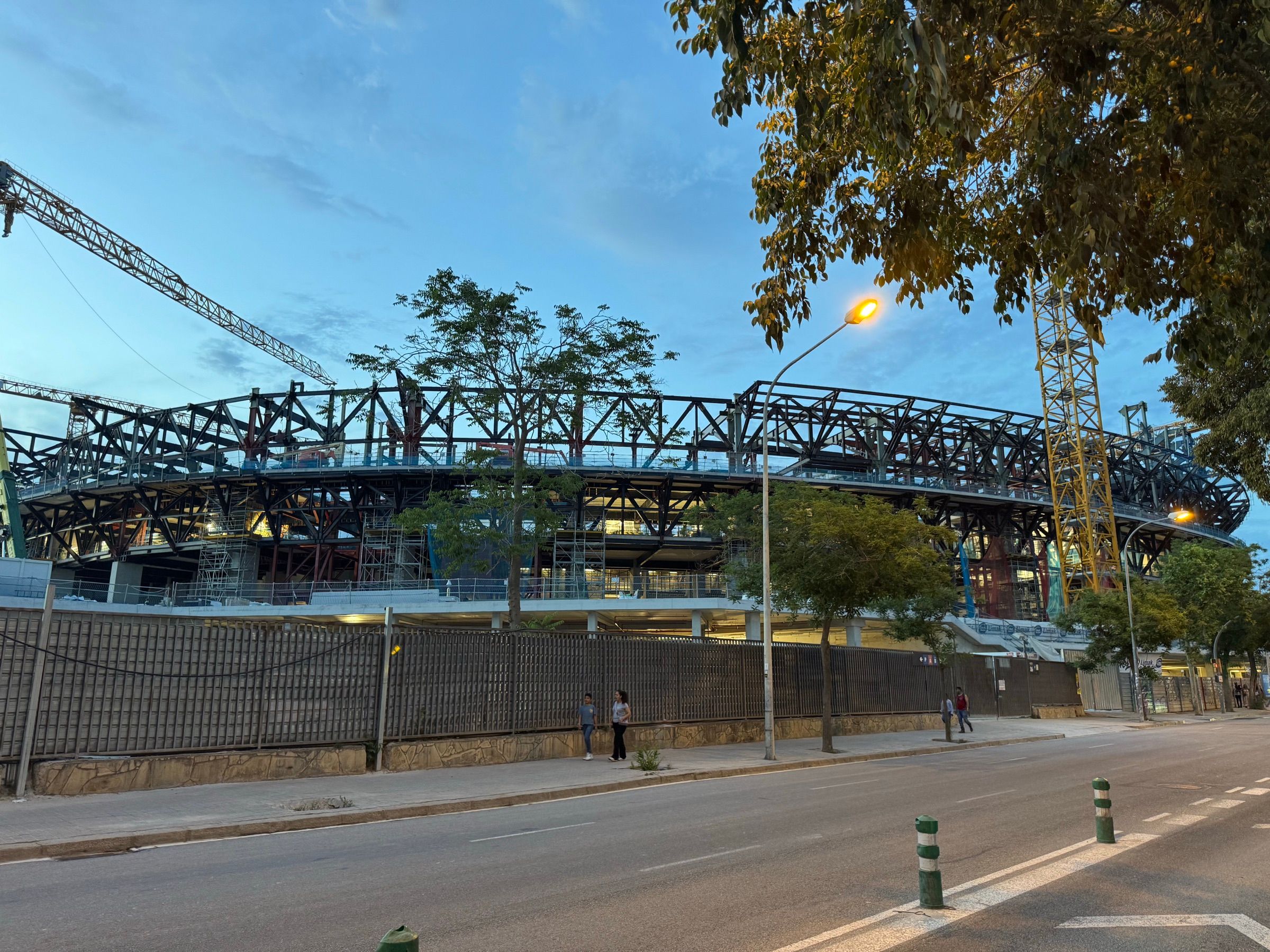
Barcelona or Split?
What it is known for
Barcelona
The Sagrada Família is what Barcelona is remembered for.
Split
Diocletian’s Palace is something of the opposite. There is no ticket and no time slot. It is not a museum: you walk through it because that is the way, and people still live inside it. And Saint Domnius is there too.
Views
Barcelona
Montjuïc is the hill above the port and the best place to see how big Barcelona actually is.
Split
Marjan is Split’s Montjuïc, greener and without the fortress. The view is beautiful, and instead of tankers there are islands. From Marjan you see the sea or the city, depending which side you climbed.
Green space
Barcelona
Barcelona is known for its parks.
Split
Split does not have half as much green. Zvončac is the only thing we could compare to Park Güell, and even then Güell has far more to it, and more distinct parts.
Beaches
Barcelona
Barceloneta is the most popular beach in Barcelona.
Split
Bačvice is what we would compare to Barceloneta: another large sandy beach with plenty of shallow water and plenty of cafés and restaurants around it.
Our only impression is that Bačvice is more crowded than Barceloneta, though that too depends on the time of day and the time of year.
Eating
Barcelona
The mealtimes take adjusting to first.
Split
Split has plenty on offer too. Perhaps not the range of world kitchens Barcelona has, but there is no shortage of choice.
The evening
Barcelona
The streets fill after nine.
Split
Split’s streets fill in the evening too. There are fewer places that work late into the night.
Common questions
Do tickets for the Sagrada Família need to be booked in advance?
Yes. Tickets are bought in advance, often weeks ahead. There is no queue to join on the day, so it is the one thing here that leaves no room for improvising.
Does Barcelona have a metro?
Yes. The city is ten times the size and it has a metro, and everything worth seeing in it has to be booked in advance.
Is La Boqueria pricier than other markets?
Yes. La Boqueria is the famous market and therefore the priciest. We would sooner point you at Santa Caterina or Sant Antoni, which are a great deal quieter.
Barcelona has a great many things to see, and you need at least five days to reach every part that matters.
All places